
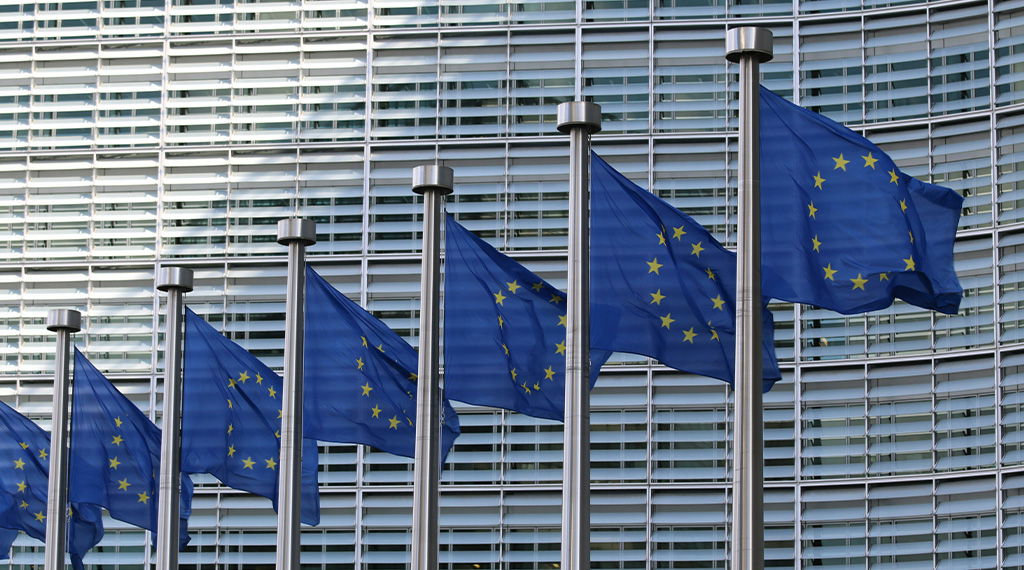
The provisions of the EU AI Act coming into effect in August may not change journalism overnight, but they will have a significant impact. The most consequential change relates to transparency: now it is a legal obligation.
On August 2, the EU AI Act reached a new milestone. The provisions entering into force and becoming fully enforceable in practice do not focus primarily on regulating AI use in journalism. Instead, they concentrate on disclosure, labelling, and enforcement: they introduce a regulatory layer into editorial decision-making, particularly in areas where the boundaries between human and machine input are difficult to draw.
Disclosure, Exceptions, and Editorial Responsibility
As Krisztina Rozgonyi, senior scientist at the Austrian Institute of Technology and the Austrian Academy of Sciences, explains, Article 50 includes important elements. The most important provision for journalism is the disclosure obligation: if texts published to inform audiences on matters of public interest are generated with AI, they must be labelled accordingly, with certain icons. There are, however, certain exceptions: the disclosure obligation becomes more flexible if the content serves artistic or satirical purposes, and there is no labelling requirement if the text undergoes substantial human review and is subject to editorial responsibility.
This means that routine applications, such as automated summaries, translation, or the use of generative tools in drafting, may fall within the scope of disclosure requirements, depending on the degree of human editorial control.
This threshold, however, remains open to interpretation: it is vague what constitutes ‘meaningful editorial control’. According to Rozgonyi, regular, professional editorial practices fall into this category, and another EU regulation, the European Media Freedom Act, defines what editorial control means. Accountability procedures must be defined, responsibilities must be clear on the individual level. This could influence workflows, she continues, and maybe editorial policies should be revised. In fact, in the case of smaller outlets, this might be the time when they have to put these editorial policies into written form.
Furthermore, according to Article 50, deepfake content, which resembles real persons or events and may reasonably be mistaken, must be labelled accordingly. Users must be informed if they interact with AI agents, for example, chatbots. The European Commission’s guidance elaborates on these requirements and their intended scope.
As Rozgonyi argues, news organisations also need to be mindful whether they qualify as providers or deployers of AI systems. In most cases, they are deployers, however, if they build their own AI systems, for example news assistants or chatbots, then they have to align with further regulations as providers.
From Regulation to Enforcement
August 2 marks the date at which enforcement mechanisms must be in place across member states. Regulatory bodies, penalties, and oversight structures move from design to implementation. For media organisations, this turns questions of AI use into matters of compliance. Decisions about disclosure are no longer confined to internal editorial guidelines but carry potential legal consequences.
The broader ecosystem is also affected. Rules governing general-purpose AI systems have been in force since 2025, requiring providers to document their models and meet transparency standards. As enforcement intensifies, these obligations become more visible in practice. Journalists gain access to additional information about how such systems are trained and operate, which may inform reporting on issues such as sourcing, bias, or intellectual property.
At the same time, media organisations remain largely dependent on external technology providers, while bearing responsibility for how these tools are deployed in editorial contexts. The Act does not fundamentally change this relationship, but it does bring greater attention to it.
Still, some of the most far-reaching elements of the AI Act are not part of this phase. Provisions concerning high-risk AI systems, including those relevant to employment or certain forms of automated decision-making, are largely deferred to later implementation stages. For journalism, this means that the immediate regulatory impact is concentrated on content and transparency, rather than on the internal use of AI in business or organisational processes. According to Rozgonyi, it is yet to be seen what kind of impact these provisions may have later.
The result is an uneven regulatory landscape. Editorial uses of AI are subject to new expectations, while other applications within media organisations remain, for now, less directly affected. Furthermore, Rozgonyi believes that the bigger focus should be placed on improving AI literacy of audiences.
There are, however, emerging areas of opportunity. The Act requires member states to establish regulatory sandboxes, designed to allow organisations to test AI systems under supervision. For media organisations, particularly those with the capacity to engage in experimentation, this may provide a structured environment to develop and refine AI-driven practices in dialogue with regulators.
Why This Matters for Funders
For funders and other stakeholders in the journalism ecosystem, these questions intersect with ongoing concerns about sustainability, credibility, and the capacity of news organisations to adapt to technological change. As previous waves of transformation have shown, the introduction of new tools rarely affects only production processes but also reshapes relationships between journalists, audiences, and the institutions that support them.
Supporting journalism in an AI-shaped environment is no longer only about financing content or institutions, but about enabling the conditions under which trust can be maintained. That includes investment in editorial standards, disclosure practices, and technical literacy within newsrooms, as well as independent scrutiny of the tools those newsrooms rely on. Without that layer of support, the burden of compliance and transparency risks falling unevenly across the sector, deepening existing gaps between well-resourced organisations and those already struggling to stay afloat. In this sense, funding decisions begin to influence not just what journalism is produced, but how accountable, legible, and resilient it remains as AI becomes embedded in its core processes.
AI is already embedded in many aspects of journalism. What the Act does is bring greater structure to its use, particularly where that use intersects with public trust. In the coming years, the practical significance of these provisions will depend on how they are interpreted and applied. Much will be determined not only by regulators, but by the choices made within newsrooms and across the broader media ecosystem.

For three decades, the Media Development Investment Fund (MDIF) has taken a different path in supporting independent journalism through patient capital rather than grants. CEO Harlan Mandel reflects on what it takes to build sustainable media, why grants could fall short, and how investment can strengthen journalism in increasingly volatile environments.
How do you define MDIF’s role in today’s journalism funding ecosystem?
We recently celebrated our 30th anniversary, and throughout that time I think we have played a unique role: we are the only organisation providing independent journalism with commercial financing using a patient capital approach. We do this globally — not in North America or Western Europe, but in the countries where free press is under threat. To my knowledge, we remain the only organisation doing this on a global basis, and at this point, I am not aware of any other organisation doing it even on a local basis.
Rethinking Media Sustainability
Two years ago, you said that grants are “free money,” but not a sustainable long-term solution. What do you think, where do grants still play an important role?
I think grants do continue to play an important role. But over the past year we’ve seen significant reductions in the grant funding available for independent media because of the shutdown of USAID — historically the largest single international funder of independent media — and we’ve seen retrenchment by other significant funders in the space as well. So it is more challenging than ever to obtain grant financing.
Beyond availability, grant funding has its limitations because of how grants are used by donors. They tend to be focused on specific projects defined by the funder’s interests, rather than geared towards advancing the long-term sustainability of a media outlet. This matters even in the context of non-profit media that are not aiming to generate commercial revenue.
What is most lacking in grant-making is core operating support — funding that gives a media outlet some latitude to make its own decisions about what is important for its own development. And the flexibility to experiment — to develop and test new approaches and new products with the potential to increase earned income in one form or another.
We have always said that our model is far from a panacea for the needs of independent media in the world. For many outlets, there is no realistic path to earning commercial revenue. They have to be supported with grants. What they do is vitally important. Our model is for media that have the potential to be commercially viable.
And especially given today’s challenges, there is a role for grants to play even for commercial media, in supporting specific initiatives they may be pursuing.
What types of media organisations are better suited for investment rather than philanthropic funding? What factors do you look at when considering investments?
Looking at a macro level, the nature of our funding defines what kind of media we can work with. We make equity investments and loans — and of course we provide a lot of strategic advice and capacity building around media management alongside that provision of capital — but these are the two basic tools we use for providing financing.
You cannot make an equity investment in a nonprofit organisation: by definition, there is no ownership stake to take. Beyond that, for an equity investment to make sense, there has to be confidence that the media company can either grow in value over time or generate sufficient positive cash flow — profitability — to return the investment through dividends or another kind of profit -sharing arrangement.
For a loan to work, we need to believe the media company can generate positive cash flow over time to service and repay it. Nonprofits can, in principle, meet that bar, but in practice it is very rare unless they own and operate a commercial media company, which presents a different picture. The nature of nonprofits and their funding makes it very hard to generate positive cash flow: grant-makers generally do not favour it, and grant agreements often restrict using grant resources to repay loans. For these reasons, virtually all the media we work with are for-profit media.
You mentioned that the sector has lost a lot of funding. What would it take to unlock significantly more private capital for independent media, especially when we see that it is not only the US that has cut back from philanthropic support, but also other countries?
Across the financing vehicles we have developed, we have seen an important role for philanthropic funders to play in catalysing other kinds of capital. For a number of funds that we have designed and raised, there are risk mitigation layers in the way they are structured.
For example, we have raised a couple of debt funds where the lenders into that fund get the benefit of a 50% guarantee from SIDA, the Swedish development agency. And we have had some other vehicles where foundations have played a similar role in providing a guarantee for lenders.
The fund we most recently raised to fight media capture and promote media pluralism in Europe, Pluralis, is set up as a holding company model. This means that the investors are shareholders in the company. But there is a class of shareholders that do not participate in the economics of the fund. They have full governance rights like any other shareholder, meaning they can vote like the others, and they have seats on the board of directors, for example, but they don’t participate in any of the potential profits of the fund or the return of capital.
We call these “media steward shares.” They function in effect as grants into the capital structure. This reduces the financial risk for the other shareholders. The common shareholders are accepting a concessionary rate of return for their investments, but in exchange, the layer of steward shares absorbs a portion of the downside risk.
From Legacy Media to New Information Ecosystems
What is the most important lesson you have learned from supporting journalism?
The most important lesson is that it is a never-ending fight. Even in the best cases, a free press is a fragile thing, and it requires constant vigilance to protect it. We can see what is happening in the United States and other countries that have a history of press freedom, and even there it has come under threat.
What were the biggest challenges MDIF has had to face in recent years, particularly in Europe?
In a way, the biggest challenge is the same worldwide at this point. The business model for journalism-centred media has been under challenge for 25 years, since the beginning of digital disruption, which has never stopped. If anything, the only constant in the media business today is constant change. As an investor or lender, this creates some significant challenges for how we assess the economic potential of any media.
Now, with artificial intelligence beginning to wreak its own havoc on the media business, it is a whole new level of challenge that we are facing, and I think it represents a change that is coming even faster than the original digital transition.
What that means for us is twofold. First, the challenge of helping the companies we are already working with, to manage their way through this change and understand how the business model is changing and how they can adapt to it. The other challenge is understanding how these technological changes create new and different kinds of opportunities for meeting our mission.
For our first 15 years, virtually all the media we worked with were classic media: newspapers, magazines, radio, TV, news agencies. About 75% of the loans and other investments we made were for buying printing presses and building printing houses, often the first independent ones in a given country. But since 2012, we have seen an evolution in our thinking about what kind of information companies can meet our ultimate mission, which is not journalism per se. It is what journalism enables, which is accountability, real civic debate, access to information: a whole list of things that we feel are critical elements of functioning democracies.
Now there are other kinds of companies that also can serve those purposes: digital social networks, online communities, good governance apps, a whole range of businesses. Our challenge today, as the world is changing very fast with artificial intelligence, is to understand the new kinds of companies — ones we have never seen before — that may be coming into existence and meeting our mission.
Measuring Impact Beyond Financial Returns
How do you assess the success or impact of your investments? What does meaningful impact look like?
We issue an impact dashboard annually, which tries to assess our impact as rigorously as possible. As part of that, there is quantifiable data that we can look at. We focus largely on two metrics to understand the immediate impact of our financing: change in revenue, and change in reach.
Change in revenue shows whether we have moved the dial on increasing a company’s economic potential. Change in reach has two purposes. One, it also reflects whether economic potential is increasing. But it also reflects greater impact, with the idea that the more people you are reaching with your content, the more impact you are having, if the content is good.
But looking beyond that, the real impact that we are interested in is the societal impact: accountability, civic debate, political participation, access to information. I think the sector has historically struggled to quantify this kind of impact. World Bank studies have shown that simply having an independent media outlet playing a watchdog role can have salutary effects on corruption that extend well beyond the specific stories it covers. How can anyone quantify that?
For media support organisations, measuring the societal impacts of media beyond a qualitative approach has remained elusive. That leaves looking at the stories media tell, the nature and quality of their coverage, and the role a given media outlet plays in its country’s public life. Tracking journalism awards is, in a way, the low-hanging fruit in trying to demonstrate that kind of impact. Ultimately, beyond tracking change in reach, we present societal impact by conveying the kinds of stories our investees cover, how they cover them, and specific developments to which they may lead. Various efforts have been made across the sector to genuinely quantify societal impact, but none has yet succeeded in a satisfying way.
MDIF is involved in countries where media freedom is under threat. How do you assess risk in these environments?
We are designed to absorb significant political risk. We take a patient approach, absorb the inevitable bumps in the road that media companies face in these environments, and accept a level of risk of loss beyond what a commercial investor would be willing to take.
What we require is a minimum level of rule of law — a reasonable likelihood of being able to enforce our contracts. Where that is absent, we cannot work. There also has to be independent media. If there is no possibility for independent media to exist, then obviously there is no basis for us to be working there. For example, we have never been able to work in China.
In the investment world, when people talk about returns, they talk about risk adjusted returns: the greater the risk, the higher the expected return. In many of our investments, the risk-adjusted return would simply be too low for a commercial investor. We are designed to bridge that gap by absorbing the political risk.
We look at the other risks the same way any other investor would look at them. We are assessing the quality of the management, whether they have the capacity to manage a company and achieve what they say they want to do, and whether they have the right mindset, which is I think a big factor.
It varies by region, but in many parts of the world, there is a certain journalistic culture that is averse to profit as a matter of principle. Many of the companies we work with were founded by journalists, and that shapes their orientation in ways we need to understand. Our view is that merely breaking even — which is often celebrated as a big win — is a slow road to oblivion. No media company can survive long term without generating positive cash flow: it is what enables them to absorb the shocks that inevitably are going to come, and invest in experiments, in growth and expansion.
We also assess the business environment: its direction, the scale of the market, whether it can realistically support a media company of a given size. These are the standard considerations any commercial investor would apply.
Do you have any special advice for organisations that have not funded or supported journalism yet, but are thinking about doing so?
To return to what I said earlier: think carefully about how and when grants are useful. There needs to be more core, general support for media organisations. If they can use that funding well, its impact can continue and compound over time.

Journalism is the “oxygen of the political system,” says Riccardo Ramacci, Head of the Media Programme at the Mercator Foundation Switzerland. In this interview, he reflects on why a healthy and pluralistic information ecosystem is essential for democracy and discusses the foundation’s approach to supporting journalism.
Why does Mercator Switzerland support journalism? How does this align with your broader organisational mission?
Journalism, and the broader information ecosystem, are vital cornerstones of democracy. We consider the two to be strongly dependent on one another. This is especially true in a country such as Switzerland, where there are a lot of elements of direct democracy and political rights give citizens a lot of power to make important decisions. Democratic decision-making requires trustworthy and reliable information. Journalism is the oxygen of a democratically organized political system. In our philanthropic work, the topic of journalism aligns with all the other fields we are involved in, such as climate change and education. A healthy and critical information system, as well as strong and pluralistic media, are important to have constructive discussions about an equitable and ecologically sustainable future.
Has the focus of your journalism programme changed since it began?
Yes. We started pretty organically through two of our thematic funding areas, democracy and digital transformation. In a democracy, the transformational crisis of media is a really important issue and a challenge for democracy itself. That’s why we’ve launched several media related projects and also some studies to look at the challenges of, for example, local journalism.
Similarly, we realised that the evolution of the digital public sphere was one of the most important aspects of the digital transformation society. That’s why we’ve launched some media literacy projects. We realised that through these two approaches, we could achieve a lot more impact if we combined them under one journalism program. As such, all the media related projects are now coherently bundled up together within one portfolio.
What kind of support do you provide within this portfolio?
It really depends on the needs of the grantees. We provide financial support: everything from bigger tickets, like long-term core funding and organisational development, through smaller project-related financing. In addition, we offer tailored capacity-building through our “coaching pool”. External experts provide advice or consultation on issues that concern our grantees. This can range from questions around the organisational structures, leadership, and strategy development to financial planning, fundraising, and communication concepts, et cetera. We also provide a professional analysis of the organisations themselves to identify the next steps they should take to develop further and strengthen themselves for the future.
Who is eligible for your support?
Our primary focus is within Switzerland, but we have an increasing European perspective with some projects and networks. This stems from the conviction that we cannot solve the societal challenges we currently face within national borders.
The focus of our support for the media and journalism funding is on what we call “information ecosystem organisations”. We focus on projects which typically serve more than one news outlet and strengthen the entire sector itself. This can mean legal aid or capacity-building with physical or technical infrastructure, but also networks, knowledge transfer, et cetera.
We also promote certain forms of new collaboration, because we believe that interdisciplinary and cross-sectoral collaboration is a key approach to the development of the media sector, which is currently in the midst of a transformation crisis. We pool different resources while still maintaining, of course, the plurality of the system.
But we do not provide direct media support. We only contribute through pooled funds, such as the Media Forward Fund or Civitates, to maintain arm’s length, which is a really important aspect for us when it comes to journalism funding.
We also support media literacy projects in order to improve the perception of news and journalism and stimulate the demand for information. So organisations which complement the education system, are also eligible for our funding.
What is the most important lesson you have learned from supporting journalism?
When we entered the field, we didn’t realise how complex and unique it is. Journalism is a commercial product which can be monetised, but it is also a common good which serves the higher purpose of informing society within a democratic system. Maintaining the balance between these two logics is not an easy task. For a philanthropic organisation it can be challenging to assess where it should and can be active, in collaboration with which actors. It is important to determine where philanthropy has a role within the media sector.
Another lesson was that you need patience and a long-term perspective for the funding and capacity-building, because it takes time to reach the public or build up a wider audience.
How do you assess the success of your programmes? Is there a particular success story you can share?
In the journalism program, we work with a theory of change. In addition, we develop an impact framework with specific goals for each project, in close collaboration with the grantees. One of the crucial aspects for success is the key impact on one target group. This could be an audience or other journalists. Although to record a measurable change is sometimes tricky in this field.
The other aspect is the financial stability and health of the organisations, which is probably one of the most crucial and important questions in the field of media and journalism. You can measure this quickly and easily when you look at the budgets, the financial planning, the resources, and also potential new revenue streams.
Both aspects are vital to assess success. There needs to be a clear value for the target groups, but it is also crucial to maintain financial stability.
As far as success stories go: The first grantees of the Media Forward Fund, which received funding in the beginning of 2025, already show promising signs of growth thanks to philanthropic investment. One grantee could more than double its newsletter subscribers and gain more than 30% paying members within a couple of months.
What were the biggest challenges that you have had to face within the journalism programme?
The dynamic and constant change of the field and the sector. Many of the premises we originally had were quickly overhauled by technological or political developments. There is far more demand for funding than there is supply. Consequently, a lot of great and fundable ideas remain unfinanced. Resources and knowledge are leaving the ecosystem a lot quicker than new funding comes in. In this situation, prioritising what to fund remains a constant challenge for us.
And I already touched upon this earlier, but it also remains a challenge to precisely define what constitutes public interest journalism, what is the public value of journalism, and what this definition means for our work.
Do you have any special advice for organisations that have not funded or supported journalism yet, but are thinking about doing so?
One piece of advice might be obvious, but I would really recommend it: seek the advice of actors and organisations which already work in the field, such as the JFF. There are also other great organisations which provide a lot of insights. This was immensely helpful when we started the programme. Reach out to all these actors but also listen to the grantees and the field itself. Be courageous and start somewhere. It does not have to be perfect right away. To have an actionable approach and not to get lost within theoretical frameworks is also very important.
Collaboration is not only key for the grantees, but also for funders. My advice would be to collaborate with them as much as possible to strengthen impact, but also to navigate the complex question of what public interest journalism really means.

In a research article published in Journalism, Wilson Lowrey and Anna Grace Usery examine the adoption and adaptation of standards by local news collaborations and digital startups.
Local journalism is changing, with digital start-ups and news collaborations now creating new ways of working. These efforts often bring fresh standards that focus on ethics, quality, diversity, and community involvement. Such standards can be set by news outlets themselves, or by non-profits, research centres, or professional associations. They may consist of formal rules or more general principles, making them flexible and widely adopted. In a disrupted media field, standards help build trust, guide daily work, and give legitimacy to new players. Studying them reveals both their promise and their pitfalls.
Research into local journalism suggests several reasons why standards may be adopted in digital start-ups and news collaborations. Larger organisations often create more detailed standards because complexity makes it hard to predict outcomes, and flexible standards are easier to follow than strict rules. Collaborations with many members, each with their own aims, are especially likely to adopt broad guidelines that stress values such as ethics, diversity, or independence, rather than detailed instructions about operations. Younger outlets may not yet have many standards, while older ones could either have more specific rules tied to their mission or, because of complex connections with others, broader and less defined principles.
Outside groups such as civic organisations, associations, or research centres often influence these standards. Their guidelines tend to be abstract and focused on professional values rather than technical details. This means that collaborations with non-news members are less likely to adopt rules from news producers and more likely to follow general ethical or professional codes.
Business models also matter. Commercial outlets, under pressure to run efficiently, are more likely to stress operational rules. Non-profit outlets, by contrast, tend to focus on ideals like ethics and diversity and often have more standards overall, though they are less likely to demand strict compliance. Standards can also grow stronger when outlets focus on accountability journalism, since such work invites scrutiny and pushes organisations to show legitimacy through clear commitments.
To test these ideas, the study examined websites and published standards from a range of news collaborations and digital start-ups, including both non-profit and commercial outlets. These newer forms of journalism were chosen because they are most likely to look for legitimacy and support.
Most of the news sites studied had at least one set of standards, though some had more than one. These standards covered a wide range of themes, from ethics and diversity to community engagement and operational rules. Many outlets, especially non-profits, drew on outside organisations, such as professional associations or civic groups, for guidance. This shows how standards often spread beyond newsrooms and take shape in broader networks. Yet regrettably, many outlets treated standards more as symbols of legitimacy than as rules to be followed. In many cases, websites gave little sign of standards, or listed principles that were not clearly relevant to their specific mission.
When looking at the initial hypotheses, the results of the research were mixed. Larger news producers were not more likely to have extensive standards, nor did their standards focus more on abstract values, so both size-related predictions failed. The age of the outlet also showed no clear link with relevance of standards. The role of non-news partners proved weaker than expected: their presence did not increase the adoption of outside standards, nor did it push collaborations towards abstract principles.
Non-profit status mattered more. While non-profits were not necessarily more likely to frame their standards around broad principles, they were more likely to demand compliance and to have standards overall, especially when counting individual ones. Commercial outlets generally had fewer. The strongest and most consistent result was linked to accountability. Outlets that defined their mission around holding power to account had more standards, both in number and scope, and were far more likely to publish them.
This research showed that standards are easy to adopt and that they help newer organisations build legitimacy. Outlets that focused on accountability journalism were especially likely to adopt standards, perhaps because challenging the powerful invites criticism, making it important to show a public commitment to ethics and professionalism.
Outside organisations such as professional associations and networks appeared to shape the wider environment by offering sets of standards, but local outlets often adopted them loosely. Many principles were broad, not directly linked to the outlet’s mission or community. In fact, more than 40% of individual standards were judged not especially relevant to the producer’s local role, and on many sites, standards were either buried or not linked at all. This points to a degree of “decoupling,” where standards serve more as outward symbols than as tools for guiding daily practice.
The findings suggest that, while standards offer a useful framework, they risk becoming empty if not tied to the outlet’s own values and needs. Journalists and managers should think carefully about whether their standards reflect the priorities of their communities or mainly echo the agendas of outside organisations. For standards to strengthen trust, they must be meaningfully integrated into everyday reporting rather than left as vague, symbolic statements.
Lowrey, W., & Usery, A. G. (2025). The spread of news standards: Examining an emerging means for control and legitimacy in local journalism. Journalism, 0(0). https://doi.org/10.1177/14648849251362463

The European Commission’s new €2 trillion budget proposal could reshape EU support for journalism. Hopes are high for a substantial increase in journalism funding, but questions remain over how much of it will truly reach news organisations. Experts also agree that EU funding could have a greater impact if it was more targeted, better structured, and aligned with a long-term vision for Europe’s media landscape.
In the summer, the European Commission presented its proposal for the next seven-year budget (Multiannual Financial Framework, MFF), amounting to €2 trillion for the period from 2028 to 2034. According to the proposal, the Creative Europe and Citizens, Equality, Rights and Values (CERV) programmes are being merged into one media-culture joint support vehicle, AgoraEU, which will support media freedom, civil rights, democracy, and diversity with a total of EUR 8.6 billion.
AgoraEU will consist of three strands: Culture, CERV+, and Media+. In the previous MFF, Creative Europe amounted to €2.44 billion and CERV about €1.55 billion. Research by the Media and Journalism Research Center (MJRC) found that from 2018 to 2024, the EU funded journalism projects with a total of €295.1 million (about €42 million each year). Therefore, AgoraEU’s planned €8.6 billion represents a significant increase. The Media+ strand, designed to strengthen the competitiveness and resilience of the media and audiovisual industries, including production, market access, digital transition, media pluralism, and viability, will account for roughly €3.2 billion of that total – around €457 million per year.
Media+ proposes funding in investigative journalism, digital innovation, and media literacy, to increase access to trustworthy information and tackle disinformation. According to the Commission, it will build on the Audiovisual Media Services Directive (AVMSD) and will complement the European Media Freedom Act (EMFA) by providing financial support and strengthening editorial independence.
However, it is important to note that the Media+ strand splits between Audiovisual and News objectives, with the first one including films and even video games, and it is not yet known how the €3.2 billion would divide between them, warns Péter Erdélyi, Founding Director of the Center for Sustainable Media. He thinks that this first offer looks very good, and it indeed seems likely that funding will increase compared to the previous period.
MJRC Director Marius Dragomir also welcomes the increase because “journalism is going through unprecedented changes.” Ivana Bjelic Vucinic, Director of the Global Forum for Media Development’s (GFMD) International Media Policy and Advisory Centre (IMPACT), hopes that this reflects a stronger EU commitment to media freedom, civil rights, and democracy.
Determining the Final Numbers for News Media
At the same time, all three experts point out that it is difficult to know how much of the money will actually reach journalism projects, as EU funding mechanisms are complex and often involve many layers of distribution. Bjelic Vucinic notes that the proposal outlines objectives for the News strand, but details of allocations, programme design, and management mechanisms are still unclear. The big question is what will happen during the negotiation period, Erdélyi says, adding that everyone will be lobbying for a bigger share.
In fact, the real battle will start among the Member States. Some governments have already indicated that they reject the budget proposal as it is, while others want to decrease overall spending or adjust priorities significantly, Erdélyi explains. Still, he does not believe that the amount of journalism funding will decrease significantly in the MFF, unless the European political landscape undergoes major changes.
Dragomir agrees: “At the moment, there is considerable support for media and journalism at the EU level. However, this could change depending on wider developments. For instance, if the threat of war in Europe increases, that would obviously have a major impact on how these funds are allocated,” he argues.
Bjelic Vucinic believes, however, that negotiations may reduce the final allocation. “This is why joint advocacy efforts will be essential to preserve funding levels that can meaningfully support independent media and journalism initiatives,” she argues, stressing that preserving and strengthening media freedom depends on strategic allocation of funds. She points to a recent GFMD position paper that recommends providing at least €150 million annually to non-profit, investigative, and small local outlets to achieve real impact. She also emphasises that funding should go beyond short-term project grants and instead ensure operational sustainability, foster innovation, and safeguard editorial independence.
Redesigning Funding for Media Realities
To make EU funding more effective for journalism, all three experts agree that the system needs to be redesigned with the realities of the media sector in mind.
Independent media should be recognised “as a public good essential for democracy,” Bjelic Vucinic argues, adding that funding should be flexible and designed to cover operational needs as well as editorial independence, rather than short-term project grants.
Dragomir says the EU should begin by improving its understanding of the media landscape. He argues that a large-scale effort to map how citizens inform (or misinform) themselves would help to identify gaps in information and reveal which organisations most need support. This, he explains, would allow funding to be better targeted to the needs of both citizens and media outlets.
Erdélyi agrees, stressing that programmes should not lump together vastly different players. He believes that small non-profits with tiny budgets should not be competing against large organisations with tens of millions in resources. Instead, funding should be structured into different schemes, tailored to outlets of different sizes, revenue levels, and capacities. Some outlets, for example small local non-profits, cannot survive under normal market conditions but still provide public service and deserve support. At the same time, he notes, larger organisations could benefit from investment in innovation and competitiveness.
Both Dragomir and Erdélyi also underline that the process of accessing EU money must be simpler, particularly for smaller news organisations that currently struggle with the administrative burden. Erdélyi adds that using intermediaries to distribute funds could help, since they are better placed to handle small grants and have a better understanding of local contexts.
Erdélyi also suggests that the EU could experiment with matching funds, where support would match the income outlets raise from subscriptions or micro-donors, helping to strengthen competitiveness and encourage audience engagement. He also sees potential in incentive schemes, such as giving teachers vouchers to spend on media subscriptions, which would reward quality outlets through market-style mechanisms.
At the same time, Bjelic Vucinic calls for innovation to be prioritised, with funding supporting sustainable business models, quality journalism, and media literacy rather than profit or political goals. She also proposes that EU funds could be used to attract private investment through public–private partnerships, multiplying the effect.
Finally, the experts agree that journalism funding should not be viewed in isolation. Bjelic Vucinic emphasises that support should be embedded in wider EU policy and legislative frameworks.
Beyond AgoraEU
When looking at EU support for journalism, it is important to consider not only the funds proposed under AgoraEU but also a range of other instruments that touch on journalism in indirect ways. Erasmus+, for instance, is a massive programme worth tens of billions in the EU budget. While journalism makes up only a small part of it, Erasmus+ can still support journalism education, including master’s and doctoral programmes, as well as training and skills development.
Programmes such as Digital Europe and Horizon can also play a role by funding tools, research, and digital infrastructure that benefit newsrooms, from AI-based reporting tools to systems for detecting deepfakes and improving cybersecurity. Erdélyi also thinks that other EU programmes, such as the Competitiveness Fund, could be opened to media companies for technological innovation.
Furthermore, Global Europe, the EU’s external funding instrument, also contains media development support, Erdélyi notes, adding that this is especially important because US funding in this field has largely disappeared, and the EU might be trying to take on a greater role in supporting independent media outside its borders.
Independent journalism is essential for democracy, resilience, and public trust, Bjelic Vucinic stresses. At the same time, as Dragomir points out, there is still no clear picture of what it actually costs to sustain a diverse and pluralistic media sector. He believes that the EU should first gather detailed data on who the main actors are, what resources they need, and how much it takes to keep strong media organisations running and able to reach citizens. Only once this knowledge is available, he argues, can the EU realistically estimate the level of financial support required, decide how long it should last, and define the impact it is meant to deliver.

In an article published in the International Journal of Communication, Sebastian Sevignani, Hendrik Theine, and Mandy Tröger offer a new theoretical framework for analysing different forms of direct and indirect influence of Big Tech on news media by expanding the concept of media capture to media environment capture.
Powerful tech companies, especially US-based ones such as Meta and Google, are shaping journalism worldwide. They not only distribute news but also control the digital systems that decide what people see. This growing influence, which the authors call media environment capture, goes beyond ownership concentration: tech giants shape the entire information space. While researchers tend to focus on national cases or mix up different types of influence, this study suggests a broader way to understand how tech companies use both economic and technological power to shape journalism and public debate across countries and regions.
The idea of media capture originally described how governments influence media, despite laws protecting press freedom. This can happen through ownership, financial support, regulation, or corruption, usually leading to more positive coverage of the government. Over time, private companies and advertisers have also used similar tactics, buying media outlets or influencing content through advertising.
At the same time, with the rise of digital media, traditional media lost much of their advertising income to tech companies, leaving many outlets struggling financially and sometimes owned for political reasons instead of profit. Meanwhile, tech giants such as Google have become both funders of journalism and providers of essential tools which news outlets rely on, resulting in media environment capture.
To better understand the concept, the authors combine and apply interdisciplinary theories. They apply the theory of intellectual monopolisation, which focuses on the capabilities of digital conglomerates to absorb and claim knowledge, information, and data, influencing other industries including news media. They also borrow from critical state theory, offering conceptual clues as to how corporations influence media regulation. They also look at more recent theories of capitalism to understand how Big Tech harnesses the underpinnings of journalism.
Media environment capture explains how these tech giants create dependencies that make it hard for news organisations to function independently. On one hand, Big Tech provides funding to media outlets and journalism projects, sometimes to ease tensions with traditional media companies over advertising revenues. On the other, they also shape state media laws by spending millions on lobbying and supporting think tanks and research institutions, particularly in the European Union and the United States, which helps them steer debates on regulations and protect their business interests.
Furthermore, tech companies shape journalism practices through the platforms they provide, such as Facebook, through which they dominate news distribution and advertising. Through services like Google Analytics and Facebook Insights, tech companies control how media outlets understand and reach their audiences. Because so much news is consumed online, often through these platforms, journalists must adapt their content to fit algorithms and user data collected by Big Tech. This dependency forces them to adjust to the business models and distribution methods of tech giants, reducing their independence and changing journalism itself.
But news outlets also depend on Big Tech services and technologies to organise their daily work. Journalists use tools like Google Search, WhatsApp, and Teams for research and communication, while also relying on platforms like Facebook Instant Articles to share content.
The power of Big Tech comes from building large-scale hardware and software infrastructures and collecting vast amounts of user data, which they use to shape the digital public sphere. The concept of media capture, which focuses on ownership and financing, is no longer enough to explain their influence. Instead, the broader idea of media environment capture shows how their influence affects every part of news production and distribution.
As a result, media policies should be rethought by looking beyond single companies and instead considering how to reorganise the entire digital public sphere to protect independent journalism.
Sevignani, S., Theine, H., & Tröger, M. (2025). Unpacking Property: Media, Ownership, and Power in Transformation| Toward Media Environment Capture: A Theoretical Contribution on the Influence of Big Tech on News Media. International Journal of Communication, 19, 21. https://ijoc.org/index.php/ijoc/article/view/21987

TikTok has been rapidly emerging as a major news source, particularly for younger audiences. Its preference for relatable, personality-driven content offers new opportunities for newsrooms to increase their reach among these younger age groups – but also comes with challenges.
TikTok’s Growing Influence in News Consumption
At the start of April 2025, there were 5.31 billion social media users globally, 64.7% of the world’s population. Among all platforms, TikTok now ranks fifth and continues to grow rapidly. The 2024 Reuters Institute Digital News Report (DNR) identified TikTok as one of the fastest-rising platforms for news engagement, particularly among young users. Furthermore, Gen Z adults (aged 18 to 24) spend a significant amount of time, an average of 77 minutes per day, on the app. According to a fresh study by the Thomson Foundation and the Media and Journalism Research Center (MJRC), it has all but taken over in Romania, where 47% of the population uses it – the highest proportion in the EU.
TikTok is now much more than dance trends or weird challenges. It has become too big to ignore. “News media have to follow where the audiences are,” says Ali Mahmood, Audience Revenue and Engagement Expert at FatChilli for Publishers. “Algorithmic distribution is now the reality for a significant segment of the news-consuming population.”
Since the Covid-19 pandemic, audience preferences have shifted toward video-based platforms such as YouTube, TikTok, and Instagram, which have grown in importance as news sources. The DNR notes that 13% of respondents now use TikTok for news, surpassing X (formerly Twitter). Among younger audiences, this shift is even more significant. As Freddy Tran Nager, Clinical Associate Professor at USC Annenberg, points out, around 40% of young people now get their news from TikTok, though this comes with risks, as there is a lot of misinformation on the platform. He believes that it is the responsibility of professional journalists to provide credible information.
The Thomson-MJRC study found that only 9.9% of Romanian teens follow journalists, highlighting a shifting ecosystem shaped by influencers rather than traditional newsrooms. Mahmood stresses that with the growing influence of news-focused content creators, “you don’t want to be left out and have people (mis)informed only by them.”
However, as younger users are less likely to trust institutions than individuals, both he and Nager agree that news brands must be represented by real people to successfully connect with audiences. “They need a face,” Nager emphasises. Furthermore, according to a study by Zinc Network, presented at the Central European Media Trends conference in Warsaw in December, the majority of paying subscribers regularly seek out news content from identifiable personalities such as journalists, influencers, and podcast hosts, showing a strong preference for personality-driven content.
Still, TikTok also offers an opportunity to increase brand awareness. For many young adults, it may be the first platform where they encounter a news brand.
How Newsrooms Are Adapting
Across Europe, many news executives have been grappling with how to make their outlets relevant to younger audiences, and there are many examples of successfully turning to TikTok. Spanish start-up Ac2ality quickly became one of the pioneers when its founder, Daniela McArena, realised that traditional news sources lacked context and clarity for younger readers. Ac2ality set out to deliver news in a “quick, concise and comprehensive manner,” tailored specifically for Gen Z on TikTok.
A similar success story unfolded in France where Hugo Travers, known online as Hugo Décrypte, has become a leading news source for young people. There are also promising examples from Central and Eastern Europe. Mahmood points to Romania’s Project F, run by journalists from PressOne, which focuses on women’s issues and involves the audience directly by asking what topics interest them. In the Czech Republic, Czech News Center experimented with distributing sports journalism via TikTok, targeting content to Gen Z by focusing on sports relevant to them. After hiring a Gen Z journalist to ensure an authentic tone, the initiative exceeded expectations and is now inspiring other teams within the organisation.
Traditional outlets have also begun to adapt. BBC News created a dedicated TikTok team, while The Washington Post and The Wall Street Journal use the platform to reach new readers, even without monetisation. As Erika Marzano, Deutsche Welle’s Audience Development Manager argues, “TikTok has evolved from a platform of minimal output to one where posting at least once daily is necessary for growth.”
To connect with TikTok audiences, authenticity and relatability are essential. Mahmood emphasises that successful content addresses the audience’s real information needs. Rather than merely echoing existing coverage, journalists should offer explanation, context, and a human touch. “You have to be relatable,” he says, adding that journalists don’t need expensive equipment: a smartphone is enough, what matters is engaging storytelling. Seemingly casual, lo-fi content often garners more trust on the platform than polished productions.
Nager highlights that young audiences expect creators to have a visible personality. “It is not good to be neutral,” he argues. Showing emotion in a professionally restrained way, and being open about one’s perspective, can actually increase credibility. Encouraging reporters to be transparent, vulnerable, and even share personal experiences can foster stronger connections. This also means, according to Nager, that TikTok is not for everyone: journalists should not feel pressured to perform on the platform if it doesn’t suit their strengths. Ultimately, success comes from being real, not rehearsed.
Navigating the Algorithm
TikTok’s algorithm creates a highly personalised feed for each user, meaning no two people see the same content. This makes it difficult to know what kind of news others are encountering. Nager notes that creators must be patient as early videos may get little attention, and even followers might not see every post, as distribution is driven by the algorithm.
As many of the users are on the platform to learn something, he suggests using short, context-rich explainers to engage them and create a bridge to other platforms, such as websites or newsletters, adding that “one email address is worth 100 followers.” However, Mahmood cautions against pushing audiences to leave TikTok. As he points out, users are deeply engaged on the platform and attempts to redirect them may not be successful. Instead, success lies in adapting content to how users prefer to consume information within the app itself.
As digital journalist and TikTok creator Sophia Smith Galer advises, consistency is key: regular posting helps content appear on users’ For You pages rather than relying on follower shares. Journalists should return to and evolve their niche while actively engaging with users through comments. Originality also matters: TikTok content must be authentic, personal, and designed specifically for the platform, not recycled from traditional media.
TikTok is often misunderstood as a passive, entertainment-first platform, but research from Weber Shandwick shows that its users are highly engaged, with the comments section serving as a space for learning, fact-checking, and interpretation. This has important implications for newsrooms. As Mahmood points out, TikTok should not be treated as a traditional marketing channel where one simply posts a video and adds a link. Instead, active engagement is key: if a comment attracts significant attention, it can serve as the basis for a follow-up video.
Nager agrees that meaningful interaction boosts visibility on the platform but cautions journalists to avoid engaging with commenters with antagonistic intent. He also notes that the algorithm rewards both engagement and regular content output, so creators should be mindful of their time.
Collaborating with content creators who already have a large follower base can help news organisations build credibility and reach on TikTok. However, Nager stresses the importance of vetting collaborators carefully. He recommends working with professionals who already use TikTok responsibly. Mahmood adds that successful partnerships require mutual understanding and benefit. While some fear reputational risks, he argues that collaboration is similar to recruitment: it simply requires proper due diligence.
Balancing Engagement and Risk
While TikTok offers promising opportunities for audience growth, it also comes with risks. One main concern is misinformation: the platform does not prevent the spread of inaccurate content. This is especially troubling given that 27% of TikTok users say they struggle to assess the trustworthiness of news they see – more than on any other platform.
There is also the danger of over-reliance. News organisations may risk repeating the same mistakes made with Facebook, where dependency on a single platform left them vulnerable to algorithmic shifts.
Nager advises treating TikTok as one of several options, not the only one, highlighting other viable channels such as YouTube, Instagram, BlueSky, or newsletters. Still, as the Zinc Network study suggests that those most likely to pay for news tend to use multiple platforms, it is an opportunity that media outlets would be wise to explore.
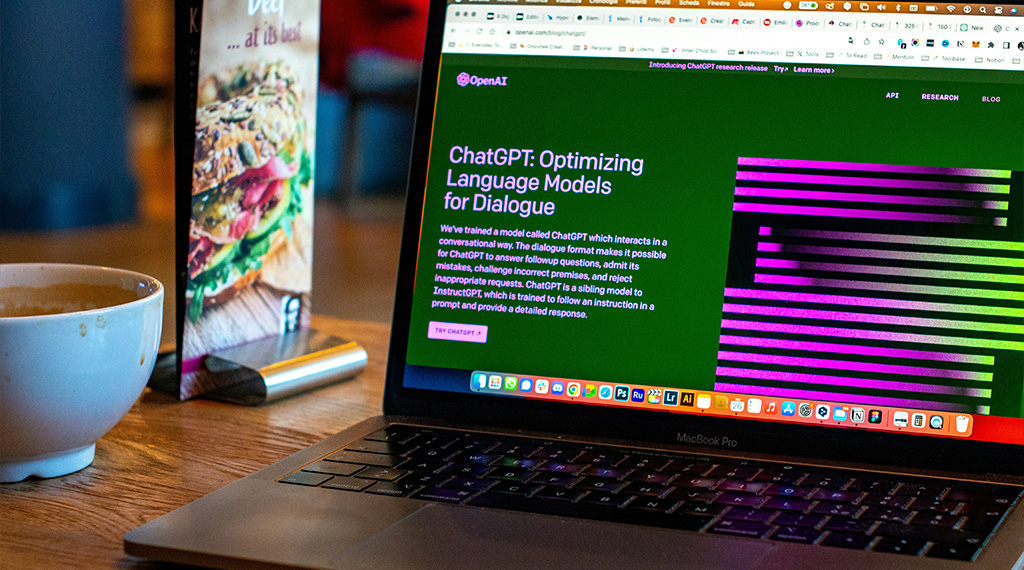
The rise of generative AI, particularly since the launch of ChatGPT in late 2022, has revolutionised journalism by making AI tools accessible to the general public, including journalists. However, it does not only reshape journalism workflows but also presents a critical opportunity for journalism funders to support innovation and ethical AI adoption, ensuring that newsrooms are equipped to navigate this transformation responsibly and effectively.
While earlier research focused on automated journalism, the mainstream adoption of generative AI has prompted fresh ethical debates and newsroom discussions about oversight and guidelines. However, many journalists have independently experimented with these tools, using them to simplify and enhance their work without compromising journalistic values.
Based on interviews with journalists in Singapore, an AI-forward global hub, generative AI has introduced a cultural shift, enabling journalists to adopt new technologies despite challenges like limited resources, ethical concerns, and structural misalignments. The findings propose a “value-motivated use” perspective, emphasising how AI can support good journalism without replacing its core principles. Journalists have a role as active participants in reshaping the field, offering insights for educators, scholars, and practitioners.
Journalists are increasingly integrating AI tools into their work, using them across various stages of news production. AI proves especially helpful in gathering information by suggesting potential answers, locating sources, and identifying trends. Tools such as ChatGPT allow journalists to quickly narrow down reliable information, which they verify through traditional methods like cross-checking with trusted sources. AI assists in generating interview questions and transcribing interviews, often improving accuracy over time through machine learning.
When it comes to writing and presenting news, journalists often use AI to create drafts of straightforward stories, based on press releases or weather announcements, among others, and to simplify or translate complex ideas. Applications like Hemingway Editor refine text by improving clarity and conciseness. AI also helps generate headlines and summaries tailored for online engagement, though journalists generally edit these outputs to ensure quality and alignment with their style. Beyond text, AI supports creating visuals and coding assistance, offering suggestions for graphics or blocks of code to speed up production. However, journalists maintain creative control, ensuring AI-generated content aligns with their editorial vision.
AI is also employed in editing by identifying gaps or biases in stories, helping reporters consider perspectives that might otherwise be overlooked, and checking facts. It streamlines grammar corrections and word count adjustments, although the final phase of editing is always done by humans. In news promotion, AI helps locate related articles for cross-promotion and generates social media captions, though these often require further human refinement to match professional standards.
While AI boosts efficiency and productivity, journalists remain cautious about its limitations. Many stress the importance of verifying AI output, as it can omit key information, hallucinate false facts, or present biased perspectives. The opacity of AI processes, such as the sources it relies on, adds to this scepticism. Journalists also voice concerns about ethical considerations, such as whether AI compromises their integrity when contributing to their work. They believe human oversight is crucial to maintain the core values of journalism, including truthfulness, accuracy, transparency, balance, and integrity. Without this oversight, there is a risk of spreading misinformation or perpetuating harmful stereotypes.
Despite these reservations, journalists recognise AI’s potential to enhance their work when used responsibly. They emphasise that AI should complement, not replace, human decision-making and creativity. Ultimately, journalists prioritise their professional values when deciding how to integrate AI into their workflows.
Wu, S. (2024). Journalists as individual users of artificial intelligence: Examining journalists’ “value-motivated use” of ChatGPT and other AI tools within and without the newsroom. Journalism, 0(0). https://doi.org/10.1177/14648849241303047

Media freedom in 2025 will be influenced by a combination of political, economic, technological, and regulatory factors. Key developments include Donald Trump’s inauguration, intensifying political and economic pressure on newsrooms, the outcome of the war in Ukraine, the development of new technologies – especially AI – and critical regulatory milestones like the EU’s Digital Services Act (DSA).
The Inauguration of Donald Trump
Donald Trump has been re-elected as President of the United States, and his contentious relationship with the press and potential policies to limit or discredit critical media could set the tone for global press freedom. His first term was marked by hostility towards the media, and in 2020 alone, over 600 attacks on journalists were registered. Trump has openly supported such violence, framing journalists as adversaries.
In his second term, Trump and his allies aim to further politicize federal institutions like the Department of Justice (DOJ) and the Federal Communications Commission (FCC). Plans allegedly include leak investigations, espionage charges against journalists, and potential reforms to libel laws to target critical reporting. The DOJ’s new regime may amplify prosecutions of journalists. Meanwhile, a Trump-led FCC could revoke broadcast licenses, consolidate conservative media ownership, and punish critical networks. Beyond legal and institutional threats, journalists face a chilling effect through self-censorship, as already shown before the election. The selection of the new director of Voice of America, a fierce Trump-ally who called journalists “monsters,” strengthens these fears.
One of the first executive orders signed after the inauguration also raises these fears: President Trump suspended all U.S. foreign assistance programs for 90 days, pending reviews of whether they align with the new administration policy goals. It is yet to be seen how it will impact journalism programs funded by the U.S. government.
Furthermore, Meta announced the discontinuation of its third-party fact-checking program, raising concerns about an even more significant proliferation of misinformation on Facebook and Instagram. X (formerly Twitter) has also reduced content moderation significantly, leading to an increase in hate speech and misinformation on the platform. Meanwhile, U.S. tech groups have been urging Trump to pressure the EU to scale back its investigations into global tech companies. Although these investigations are based on the EU’s digital markets regulations, a review has been initiated, which could indicate that the EU may be less inclined to enforce those regulations.
Political and Economic Pressure on Newsrooms
Political and economic pressures on newsrooms may intensify around the globe in 2025. Trump’s victory could encourage other populist leaders to further erode democratic norms, including the freedom of the press. Populist rhetoric frequently casts journalists as adversaries of the state, undermining trust in media and often resulting in restrictive measures against independent journalism, including digital surveillance or even legal restrictions. The latter may include legislation against “fake news,” which, often vaguely defined, enables governments to arbitrarily penalize critical reporting with fines or even imprisonment.
At the same time, economic challenges further threaten media sustainability. Rising operational costs and diminished advertising revenues have forced many outlets, particularly smaller and independent ones, to find new strategies to secure revenue or face closure. Nevertheless, in the distorted media landscapes of many countries, where ad revenue is allocated based on political loyalty rather than audience reach, and some audiences are already struggling with subscription fatigue, the role of external funding from philanthropies and other organisations will be critical.
The Outcome of the War in Ukraine
Russia’s war in Ukraine has highlighted how disinformation and propaganda are used to undermine public trust in institutions, including the media. In authoritarian and hybrid regimes, state-controlled narratives already dominate, but democracies might also adopt stricter regulations to combat disinformation, inadvertently creating challenges for legitimate journalism. The war has also made journalism more dangerous, with reporters targeted in conflict zones and online harassment becoming widespread.
At the same time, however, the war has also inspired innovation in independent journalism. Ukrainian media outlets have started to leverage crowdfunding and partnerships. Still, independent media in Ukraine face the difficulties of navigating donor dependence, operational challenges, and the urgent need for more sustainable funding models.
Emerging Technologies
New technologies, particularly artificial intelligence (AI), may shape media freedom in 2025 in various ways. On one hand, the development of generative AI tools is likely to fuel a surge in the number of misinformation and disinformation campaigns. Sophisticated AI models can easily create deepfakes, fabricate convincing narratives, and flood digital platforms with content that erodes public trust in credible news sources, making it increasingly difficult to distinguish fact from fiction. As authoritarian regimes and other actors with bad intent exploit these technologies, independent journalism may face new threats, including orchestrated smear campaigns that undermine its integrity and credibility.
On the other hand, the same AI technologies hold promise for empowering journalists and enhancing the reach of independent media. Investigative journalists can harness AI for tasks like analysing vast datasets, uncovering corruption, or mapping networks of influence. Automated fact-checking tools might help counter misinformation, providing journalists with tools to quickly validate claims. Personalized front pages can help audiences access relevant, high-quality journalism tailored to their needs. Still, these tools also introduce ethical challenges, as overreliance on AI for reporting and editorial decisions risks eroding the human judgment central to true journalism.
Regulation Milestones
Regulatory milestones anticipated in 2025 may reshape the operational landscapes of both traditional and digital media. The European Union will see the full implementation of the Digital Services Act (DSA) and the European Media Freedom Act (EMFA), which aim to create transparent and accountable frameworks for protecting editorial independence, tackling disinformation, and promoting media pluralism. However, their success will depend on consistent application across Member States.
Globally, debates around platform governance, particularly concerning Meta, Google, and X (formerly Twitter), will affect how media outlets interact with these tech giants. Issues such as content moderation and removal, revenue-sharing models, and the spread of harmful content are central, as these platforms often act as gatekeepers for news dissemination. The DSA’s provisions, which require platforms to notify media providers before removing legal content, could set a precedent for similar regulations worldwide, but their implementation could vary depending on national contexts.
Furthermore, agreements or discord in forums like the G20 regarding AI regulation will also influence the field of combating misinformation and the potential misuse of surveillance tools. As AI-generated content becomes more prevalent, governments face the dual challenge of mitigating harm without stifling innovation.

In March 2024, a consortium of seven media organisations and a media-focused technology provider launched the Taktak project, with the objective of developing an innovative donation solution, supported by the European Commission. The initiative addresses a fundamental challenge facing modern journalism: the need to identify sustainable revenue sources in the context of evolving consumption patterns and the adverse circumstances faced by freelance journalists. It introduces an innovative approach to donations, whereby readers can decide which organisations to support.
The concept for Taktak was developed by Worldcrunch, a Paris-based digital magazine known for its work with international partners. Lucie Holeček, a design-thinking expert and consultant on the project at Transitions Online, outlines that Worldcrunch’s distinctive collaborative model presented challenges that existing payment platforms were unable to accommodate. As Worldcrunch frequently translates and shares articles with various international media partners, a key challenge emerged in relation to the allocation of donation revenue across contributors. “None of the existing payment solutions worked,” Holeček states, adding that a new approach was needed to ensure funds were distributed fairly among all parties involved.
The Taktak project represents a convergence of three key developments in the journalism sector. Firstly, the initial research phases revealed significant problems faced by journalists, particularly freelancers, in terms of job stability, financial security and stress levels. “We were aware of the difficulties, but not to this extent,” Holeček recalls. Secondly, there is significant untapped potential for joint reporting efforts across languages and borders, which could enhance the scope and reach of journalism. Finally, there is an increasing need to generate direct revenue from the audience.
The Taktak consortium, formed by Worldcrunch, comprises an impressive array of local, national, and international media outlets, which are coming together to explore these opportunities. The consortium includes Mensagem, which provides local news in Lisbon; Pod Tepeto, a media outlet based in Plovdiv, Bulgaria; La Marea, a Spanish publication; and Livy Bereg, a Ukrainian news source. The platform’s geographic diversity and the difference in scale between its members enables it to address the needs of journalists and readers at multiple levels, from the hyper-local to the transnational. The involvement of these media groups also benefits younger journalists, who are facing an increasingly unstable job market and income situation. The consortium’s reach is extended further through the inclusion of WAN-IFRA, the World Association of News Publishers, and Transitions Online, both of which have extensive networks within the journalism community.
Taktak is currently a closed consortium, funded by an investment of €1,376,040 over two years. Eighty percent of this funding, totalling €1,100,832, is provided by the European Commission under the Journalism Partnerships Collaboration call. The remaining 20% is provided by the Taktak partners themselves. “The funding goes toward creating the tool,” said Holeček. She adds that the tool is currently in development and will support various types of content, including articles and podcasts, with options for transparent payment distribution. The tool enables readers to make donations and to see precisely where their contributions are being allocated. This transparency is a key element of the project’s value proposition for donors, as it builds trust.
One of the distinctive features of Taktak is its flexibility. Readers are able to select the total donation amount, while collaborating journalists can choose the ratio of how it is shared. Holeček states that Taktak’s donation model provides an alternative to the fatigue that many readers feel with multiple subscriptions. This new solution offers flexibility, allowing readers to give money without any obligation. They can simply indicate their appreciation for an article and choose to support the publication directly. This approach is particularly beneficial for freelancers, who might otherwise be excluded from revenue-sharing models even when their work is particularly successful.
Taktak’s primary objectives extend beyond the mere creation of a new revenue stream. They also encompass the fostering of collaboration across media, the promotion of diverse voices, the growth of reader engagement, and the encouragement of a more resilient journalism sector. Taktak’s donation-based model encourages journalists and media organisations to commit to quality, in-depth coverage that resonates with readers, with the aim of creating a mutually beneficial relationship. The platform’s secondary objectives include facilitating the sharing of best practices and insights among media outlets, which can ultimately benefit the wider sector.
The tool is currently in the development stage and has been designed with the objective of collecting payments efficiently while distributing them fairly. The tool is essentially a flexible ‘donate’ button that allows readers to decide how much to give to each party involved in the content’s creation. This flexibility addresses a market gap for direct support of journalists, particularly in cases where readers wish to contribute without committing to a full subscription. As Holeček explains, the objective is to make the process “as flexible as possible”, offering financial support to journalists facing financial difficulties who might otherwise go unrewarded.
The first prototype of the Taktak tool is scheduled for release in 2025, following which it will undergo further refinement based on feedback. Holeček emphasises that, while the eventual aim is to roll out Taktak across Europe, the team is mindful of the regional nuances involved. “Every country is specific,” she states, citing differences in consumer attitudes towards paying for news content and in regulatory frameworks. The consortium’s approach to scaling will be strategic and tailored to the specific needs and context of each market.