

The platform Journalift, the first to offer media development support in local languages in the Western Balkans, was launched as part of a three-year program. Despite the conclusion of the project, it continues to thrive independently. Offering free courses and a wealth of information to fortify the impact of media development in the region, Journalift has taken on a life of its own.
In the ever-evolving landscape of media development, projects often conclude with the end of their funding and implementation period. However, some elements of these initiatives take on a life of their own, continuing to thrive and make a lasting impact. One of the most prominent examples is Journalift, a digital platform born out of the ‘Media for All’ programme, jointly implemented by the British Council, the Balkan Investigative Reporting Network (BIRN), Intrac, and Thomson Foundation, and funded by the UK Foreign, Commonwealth & Development Office (FCDO).
The primary goal of the ‘Media for All’ programme was to bolster smaller media organisations in the Western Balkans, supporting them in developing feasible and innovative business plans. Thomson Foundation played a key role by providing grants, capacity building, business support, and dedicated mentoring, recognising that mentorship is key to achieving successful results.
One tangible outcome of this programme was the creation of Journalift, a multilingual platform launched in May 2021. While the ‘Media for All’ programme concluded last year, Journalift has continued to flourish. “It has a life of its own now,” says Sanja Lazic, the platform’s Managing Editor, and Thomson Foundation’s Communications and Outreach Coordinator for programs in Central and South East Europe.
What sets Journalift apart is its commitment to breaking language barriers. Many media workers in news outlets in the Western Balkans face challenges accessing training and upgrading their skills due to language constraints, as these trainings are often offered only in English. Journalift addressed this by providing up-to-date news and valuable content in all local languages, making it the first platform of its kind in the region.
Even though new content on the platform is mostly available in English only, the target audience is wider after the end of the ‘Media for All’ programme. Now, Journalift is not exclusive to former programme grantees; it serves as a free resource platform for anyone interested in media development. The resources are tailor-made particularly for the Western Balkans and Central Europe; however, audiences from other regions also find it useful.
The platform offers a variety of written content collected through various types of activities related to media development. For example, a small media organisation in rural Serbia can share its experience and the most important lessons learned in a capacity-building programme in which it worked with the help of a mentor on business ideas. This makes it useful not only for other outlets in a similar situation but also for funders who may gain ideas about which approaches work best in the region.
“The idea is to have tailor-made content, but also to give tips, tricks and advice to all media that can implement it,” Lazic says.
The platform also offers free training, including e-learning courses covering a wide range of topics from safety to podcasting. Some courses are available in local languages as well. Additionally, webinars are organised through the platform.
With a monthly visitor count of around 8,000, Journalift has become a vital hub for media professionals. It stands out as a unique and indispensable resource, demonstrating that even after the conclusion of a project, certain elements can transcend their initial purpose and continue to shape the landscape they were created to serve.
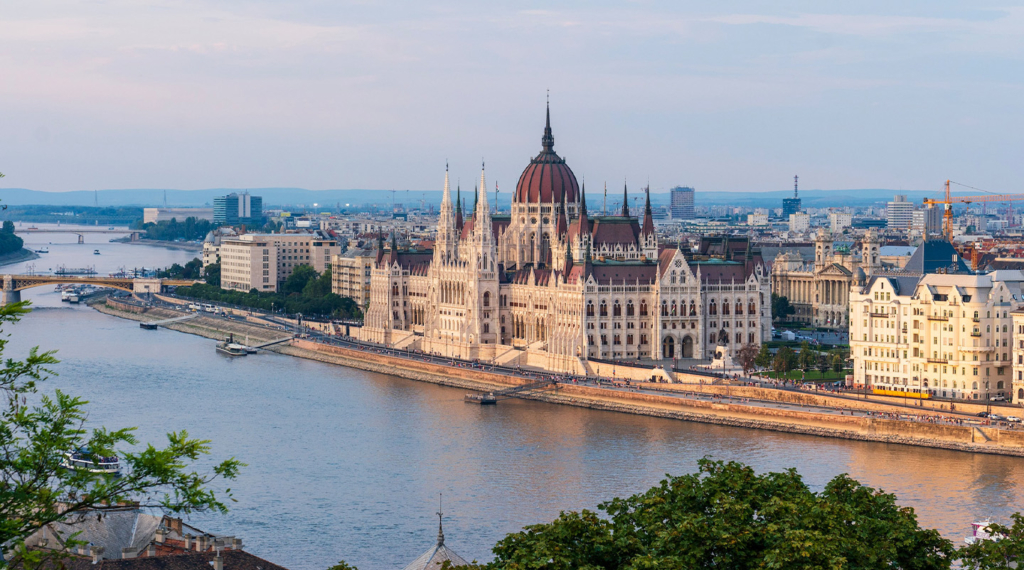
The vague and undefined concepts in the new Hungarian “sovereignty bill” aimed at countering “foreign interference,” and the powers of a new authority present a threat to independent media.
On December 12, the Hungarian Parliament approved a new bill focused on “protecting national sovereignty.” Although the ruling party, Fidesz, claims that the law aims to prevent “undue political interference” by foreign agents, a closer examination reveals potential threats to press freedom and concerns over undefined parameters within the legislation.
A central feature of the bill is the establishment of a Sovereignty Protection Authority (SPA), which is empowered to investigate “foreign interference,” including acts of disinformation that influence democratic debates. Notably, the law lacks explicit clarification on the definition of “foreign interference,” leaving the interpretation to the discretion of the authority. This ambiguity raises concerns about the potential inclusion of independent media organizations as targets, particularly given the government’s historical hostility towards such entities that receive foreign grants. These organizations have long been targeted by the government’s propaganda machine, which labels them as “dollarmedia” for accepting foreign funding.
Hungarian experts say that intentionally vague definitions and the inclusion of undefined concepts in the legislation serve a deterrent purpose. Drawing parallels with the media law, one of the first major legislations passed after Fidesz had regained power in 2010, the broad interpretation possibilities granted to the SPA could lead to an atmosphere of uncertainty, similar to the effects observed when the new media authority was established.
The legislation provides unclear guidance on potential sanctions, which range from publishing investigation results to initiating criminal proceedings. The SPA is granted sweeping powers, enabling it to interrogate any individual, scrutinize all data of the targeted organization (including confidential contracts and tax files), and summon its head before the Parliament’s National Security Committee. The alarming aspect is that the SPA operates outside the judicial system and lacks any form of oversight, which raises concerns about the potential misuse of power. Furthermore, it has also been revealed that a loyal Fidesz cadre has been nominated as the head of the SPA. This individual is also known for having served as the editor-in-chief of a government-friendly weekly a few years ago. During his tenure, the publication caused a scandal by publishing a list of “agents of George Soros” in Hungary.
The broad investigative authority of the SPA, coupled with the lack of oversight, could have a chilling effect on media organizations, especially smaller ones heavily reliant on foreign grants. The fear of investigations disrupting their operations may lead such organizations to reconsider applying for foreign funding, further challenging their sustainability within Hungary’s captured media landscape.
In an unprecedented move, ten independent Hungarian news organizations issued a joint statement a day after the passage of the bill. They argue that the legislation severely restricts press freedom, potentially making it difficult or even impossible for independent newsrooms, journalists, and media companies to operate effectively.
While some government officials had previously downplayed that the new bill would target free press, Hungarian Prime Minister Viktor Orban confirmed this in a recent statement on national radio. “The Sovereignty Protection Act makes it clear that loopholes will be closed, dollars cannot roll into the coffers of the left and the left’s media. It’s not fair that foreign money is used to influence people’s political decisions according to the interests of their sponsors,” he said.
As a worrisome development, Hungary is not the only country exhibiting increased scrutiny of foreign funding for independent media lately. In November, Azerbaijan, where President Ilham Aliyev is an ally of Orban, summoned U.S., German, and French envoys to protest against what it calls “illegal financial operations” targeting investigative news outlet Abzas Media. Three journalists from Abzas Media have been detained, and the charges against them include smuggling. During the raid on the outlet’s office, police claim to have found €40,000. Similar to Hungary, the crackdown was accompanied by a campaign in the government’s propaganda machine, accusing Abzas Media of illegally bringing undeclared foreign grants into the country.
These developments may mean that some donors will have to reconsider their grantmaking strategy, either out of caution or because grantees may urge them to do so to avoid unwanted repercussions. Hungarian media organizations receiving foreign funding will most likely be under scrutiny in the upcoming months, prompting some donors and implementers to find “innovative” solutions to continue operating in the country, development that we will document in the Journalism Funders Forum newsletter.
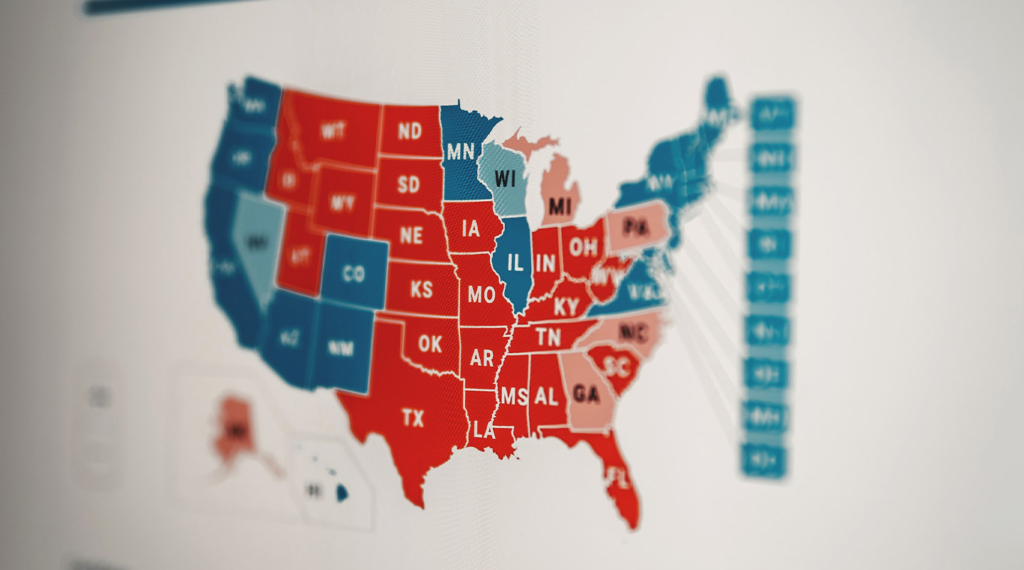
As the world gears up for what has been touted by The Economist as “the biggest election year in history”, with a staggering 76 countries set to hold elections, the implications for media freedom loom large. Here are six key elections that will likely have a major impact on media freedom, some of them with clear implications for independent media in Europe.
US Presidential Elections: Will Trump Make a Comeback?
The upcoming US presidential elections pose the pivotal question: Will Donald Trump stage a return to the White House? Amidst the challenge of winning the Republican primaries, polls indicate a favorable chance for Trump. If he emerges victorious, concerns arise over a potential surge in disinformation, smear campaigns against the media, and cuts in funding for independent media. These issues could impact global perceptions and bolster populist leaders worldwide. According to data collected by the Media and Journalism Research Center, Trump’s return to power is likely to have a significant impact on the funds of American development agencies dedicated to supporting media and journalism, which are active in many European countries.
European Parliament: Rise of the Populist Far-Right
In early June, citizens of the 27 EU Member States will cast their votes for the European Parliament. The pressing question is whether the rise of far-right parties in certain countries will reverberate within the EU elections. Polls suggest gains for Eurosceptics and populists, raising uncertainties about their influence on EU policymaking, including media regulation and support for independent press. As in the United States, millions of euros in funding now earmarked for support of independent media and journalism could be jeopardized.
India: Will the Democratic Decline Continue?
India, the world’s most populous democracy, is facing the prospect of President Narendra Modi securing a third consecutive term. The last few years of his reign have been marked by ongoing campaigns against the Muslim minority as well as numerous attacks on critics and news media, including tax raids, arrests of journalists, and targeting them with the Pegasus spyware. Modi’s government has curbed press freedom through legislation and regulation, giving the government increasing control over the information space. In elections, he will face a coalition of 28 parties, led by Rahul Gandhi.
Romania: Surge of the Far-Right
Romania is bracing itself for presidential and parliamentary elections amidst the rise of the far-right party AUR, which has surpassed 20% in recent polls. AUR is characterized by Christian fundamentalism, sovereignism, and anti-scientific sentiments. The sympathy of AUR’s leader George Simion towards Hungary’s Viktor Orban and his Fidesz party, as well as the shared disinformation narratives between the two parties, hint at the potential direction Romania may take with Simion in charge. According to data from local journalists, AUR is believed to have strong financial backing from Russia. Its narrative is blatantly supportive of Russia and its war against Ukraine. AUR’s win is expected to have negative consequences on the independent media in Romania. The party has been building its own media in recent years and has been lashing out against critical journalists. AUR is also known as one of the country’s main sources of disinformation.
Austria: Far-Right Resurgence
Austrians will also head to the polls this year, and the parliamentary elections may bolster far-right populist parties, according to analysts. The Freedom Party (FPÖ) was shaken by the so-called Ibiza scandal four years ago. The party’s President, Heinz-Christian Strache, was recorded talking about corrupt political practices, including references to their wish to build a media landscape like Viktor Orban did. Now, the FPÖ is the most popular party in the country, signaling potential challenges for media freedom in Austria.
Mexico: Disinformation on the Rise
Mexico is poised to witness a historic moment in June, as it is likely to elect its first female president. Analysts describe Claudia Sheinbaum, the candidate of the ruling party, as less populist than the current president, Andres Manuel Lopez Obrador. However, concerns have arisen over online, state-sponsored disinformation targeting the opposition candidate, Xochitl Galvez, as well as the electoral authority. During Lopez Obrador’s regime, media outlets, especially state-controlled ones, saw their independence dwindling as a result of attacks and interference with their editorial agenda.
The outcome of these elections will have a significant influence on media freedom in the respective countries, with some of them expected to have worldwide implications as well. The media will also be scrutinized during the campaigns as elections are expected to be heavily influenced by both traditional and social media. While numerous studies focus on social media content during election periods, less attention is given to the influence of the media market’s structural conditions on election fairness and outcomes. Therefore, the Media and Journalism Research Center has launched a new project focusing on media ownership and political finance, and it will collect data about media, spending, and political parties in around 40 countries in 2024. The research will be used to issue a comparative study in 2025, yet some of the data will be shared in the upcoming JFF newsletters.